
Wild Violet Control
Wild violet makes thick clumps with glossy leaves and spring flowers. Waxy leaves and tough roots mean ordinary sprays slide off, so we choose products and timing made for the job.
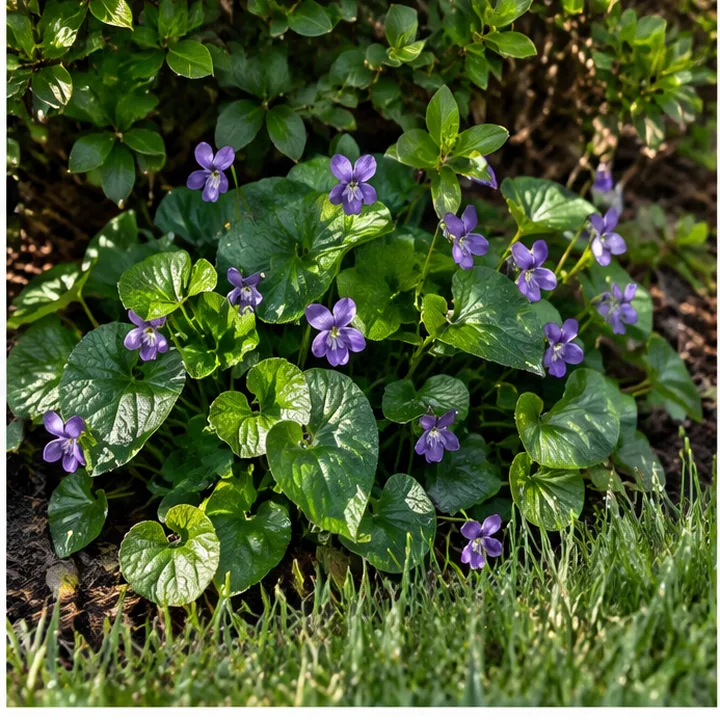
- What it looks likeHeart-shaped waxy leaves, purple or white flowers
- Where it growsShade, moist soil, lawn edges
- Why it is hardWaxy leaves, thick rhizomes
- VisitsRepeat in fall and spring
What is included
- 1Built for waxy leavesProducts and spreaders chosen to cling and penetrate the leaf surface.
- 2Fall focusLate-season treatment reaches the roots as the plant stores energy.
- 3Patch by patchViolets grow in colonies, so we map them and return to them.
- 4Support the turfA thicker lawn leaves less shade and space for violets.
From your first call to a cleaner lawn
We work out of Nashville and in cities across the country. Find your city below and tell us what is growing.
- 1You call or send the formTell us where the problem is, what it looks like and how fast it is spreading. Photos help.
- 2We identify the invaderTough weeds need the right match of product and method, so we confirm what it is before we treat.
- 3We treat and map itWe treat the patch, mark what we did and explain what to expect over the next few weeks.
- 4We repeat until it is goneStubborn weeds often need more than one visit, so we schedule the follow-ups and track the result.
Is this the right call for your lawn?
- Heart-shaped leaves form dense patches in the lawn
- Purple flowers appear every spring
- Regular weed killer does not work
- Violets are spreading from the beds into the lawn
What it takes to beat a tough weed
- Identify it firstThe wrong product wastes a season, so we confirm the weed before we treat.
- Expect repeat visitsDeep roots, bulbs and tubers mean one pass rarely finishes the job.
- Change what feeds itShade, wet spots and compaction invite these weeds, and we note them.
Common questions
Why does wild violet survive regular weed killer?
Its leaves are waxy and the plant stores energy in thick underground stems. It takes the right product, a spreader and repeat visits.
When is the best time to treat violets?
Fall is often the best window because the plant is moving energy to the roots. Spring follow-ups catch what is left.
Services that pair with this one
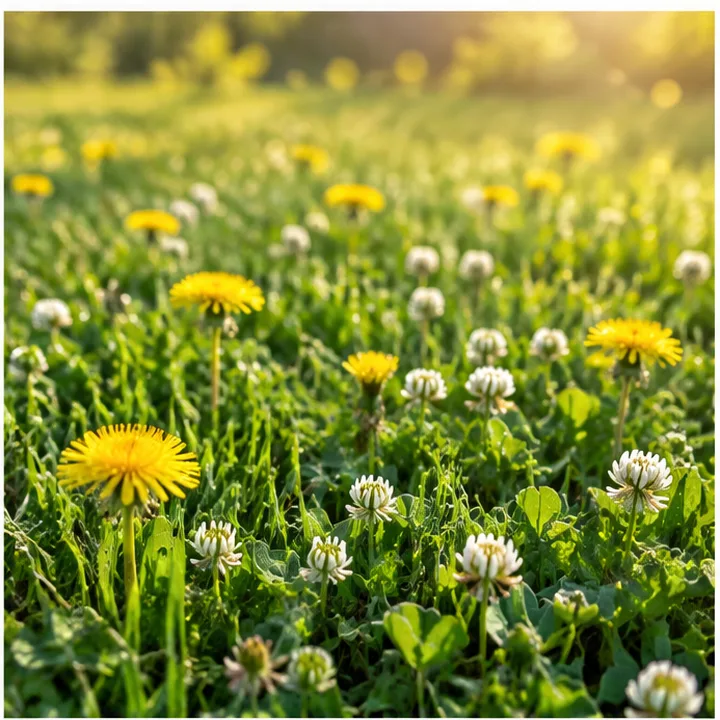 Broadleaf Weed ControlDandelion, clover, plantain, chickweed and more: broadleaf weeds treated with selective products that leave your grass untouched.See the service
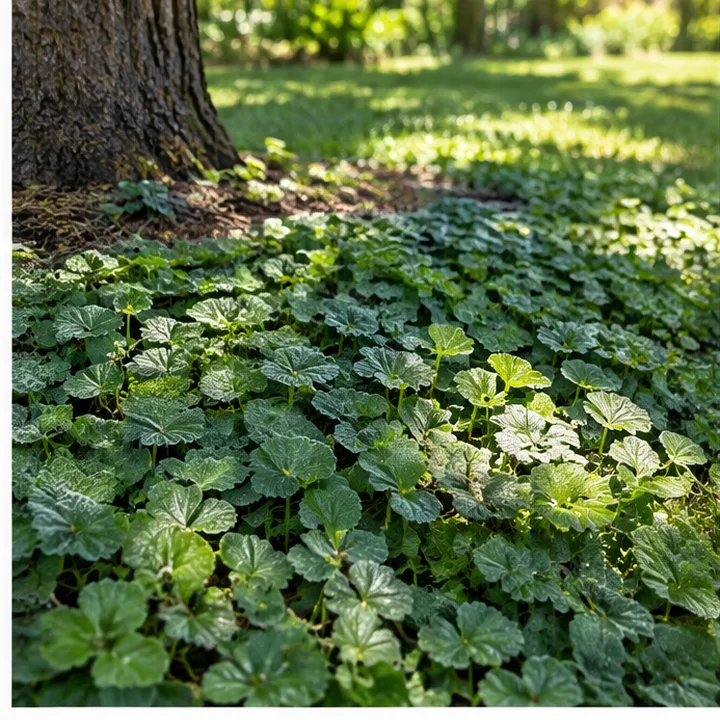 Creeping Charlie (Ground Ivy) ControlCreeping Charlie spreads in mats with square stems and scalloped leaves. We treat it in the windows when it responds best and repeat until the mat is gone.See the service
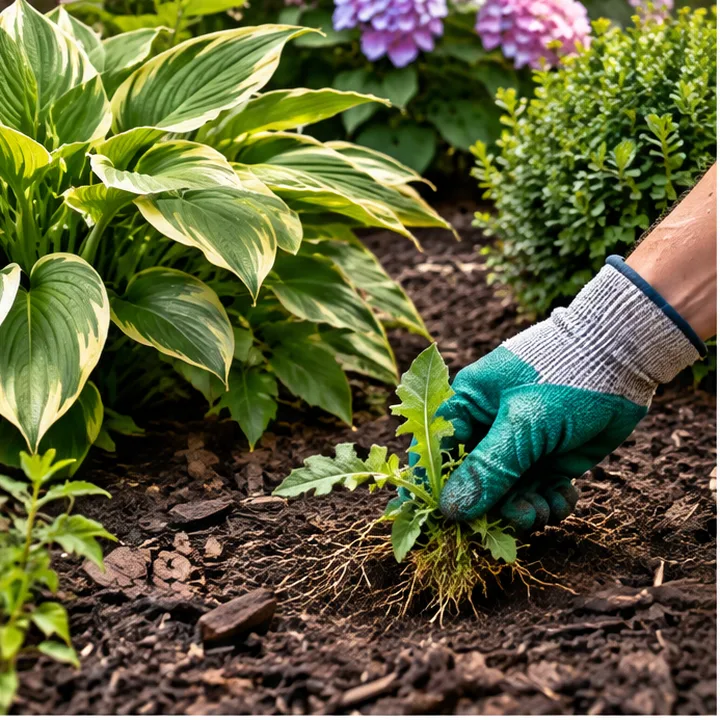 Flower Bed Weed ControlWeeds in mulch and flower beds treated with products that spare your plants, plus a barrier that keeps new seedlings from sprouting.See the service
Find your city
Type your city or state to open the page for help near you. Nashville is home base and we serve cities across the country.
Start typing, for example a city name or a state.
Ready for a lawn without the weeds?
Call or text Weed Prevent, or send the form, and tell us about your lawn. We reply with clear next steps and a plan that fits your grass.